
What Is a Registered Apprenticeship?
A Registered Apprenticeship is an industry-vetted training model supported by the U.S. Department of Labor. It allows employers to build skilled workers through paid employment, structured on-the-job learning, related technical instruction, wage progression, and mentor support.
Apprentices earn wages while they train and complete the program with a nationally recognized credential.
Registered Apprenticeship is a U.S. Department of Labor program. The Lincoln Manufacturing Council does not operate or administer Registered Apprenticeship programs. LMC’s role is to help manufacturers better understand the model, connect with appropriate partners, and explore whether apprenticeship may be a good fit for their workforce needs.
Why Registered Apprenticeship?
Registered Apprenticeship helps manufacturers build skilled workers instead of waiting to find them.
It gives companies a structured way to train people for hard-to-fill roles, improve retention, and move workers from entry-level to higher-skill jobs. Apprentices are paid employees who learn on the job, train with experienced mentors, earn wage increases as they improve, and finish with a nationally recognized credential.
Common manufacturing roles that may fit include:
Industrial Maintenance Technician
Mechatronics Technician
CNC Machinist
Tool and Die Maker
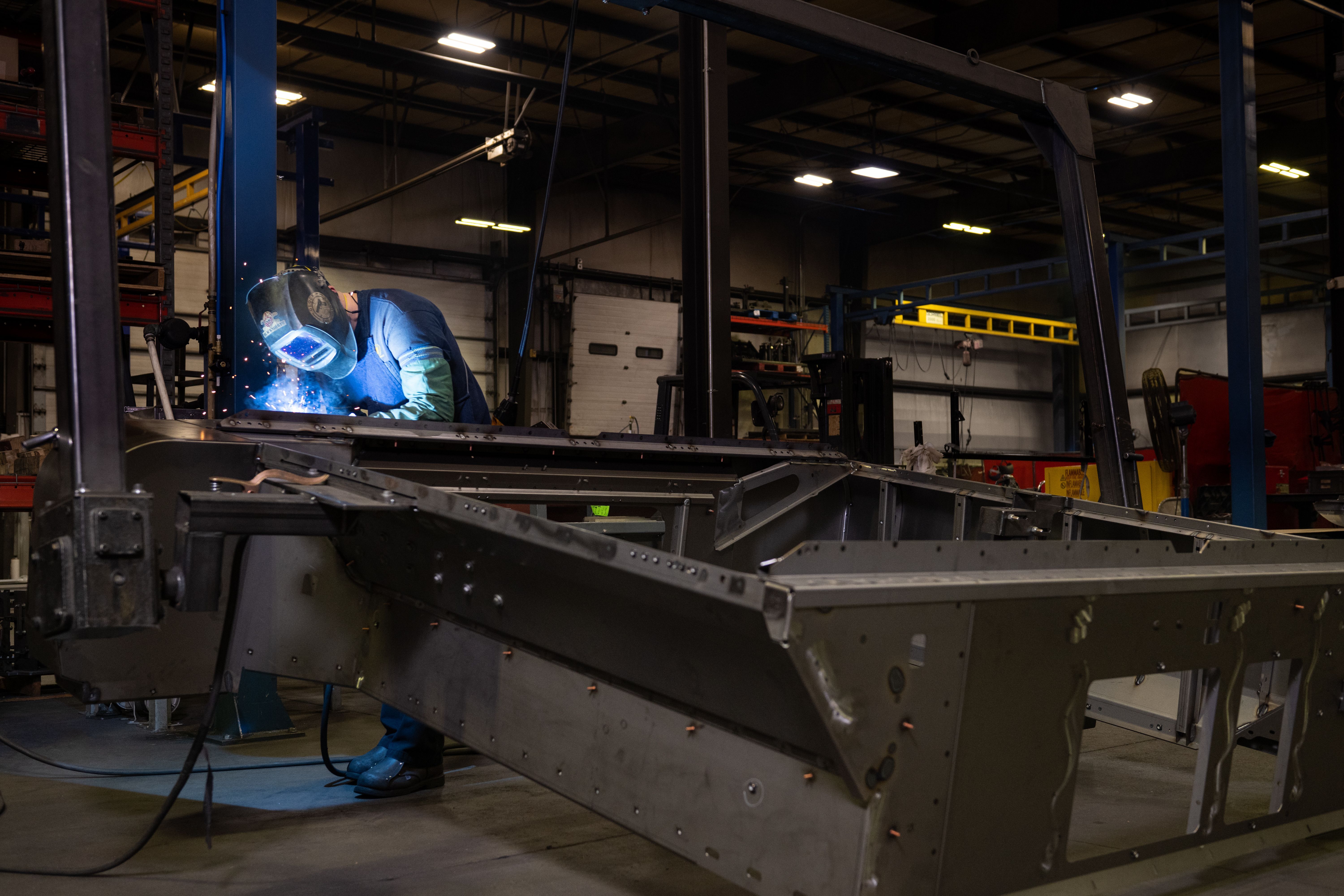
Welder
Production Technician
Quality Technician
Automation Technician
Maintenance Electrician
Machine Operator, depending on skill level
Core Components
Every Registered Apprenticeship includes a few core pieces:
- Paid Employment. Apprentices are employees, not unpaid trainees. They are working, producing, and learning on the job.
- Structured On-the-Job Learning. The company maps out the skills the apprentice needs to learn and gives them supervised time to build those skills on the floor.
- Mentorship. Apprentices train under experienced workers, supervisors, or technical leads who know the job and can coach them through it.
- Wage Progression and Credential Completion. As apprentices gain skills and become more productive, their wages increase. When they finish, they earn a portable, nationally recognized credential.
- Related Technical Instruction. Apprentices also complete job-related technical training. This can happen through a college, online platform, internal training program, vendor training, or a mix of options. Potential RTI options include:
- Southeast Community College. Industrial technology, welding, electrical, automation, mechatronics, manufacturing, or other related coursework.
- Online Training Platforms. Tooling U-SME or similar platforms that offer flexible technical training.
- Internal Company Training. Structured onboarding, internal academies, safety training, technical modules, or company-led skills training.
- Vendor or Equipment Training. Training from equipment manufacturers, robotics companies, software providers, machine builders, or automation suppliers.
- Hybrid Training Model. Many companies use a mix of SCC courses, online modules, internal training, and vendor-specific instruction.
Next Steps: Getting Started in Lincoln
Interested in Registered Apprenticeship? Here are a few simple first steps:
- Choose a role. Identify a hard-to-fill or high-skill position that could benefit from structured training, such as maintenance, machining, welding, automation, or mechatronics.
- Outline the skills needed. List the key tasks, technical skills, safety requirements, and equipment knowledge an employee needs to succeed.
- Explore training options. Consider related technical instruction through Southeast Community College, online platforms, internal company training, vendor training, or a hybrid model.
- Connect with apprenticeship partners.
- Determine the right program structure. Employers may sponsor their own program or participate through an existing sponsor or intermediary.
Need help getting started? LMC can help manufacturers understand the model, identify possible roles, and connect with the right partners. LMC does not operate or administer Registered Apprenticeship programs.
